
Valken Difficulty: Combat Lethality, Damage, and Survival Rules
Valken difficulty emphasizes lethal combat where operatives perish in one or two hits, requiring methodical movement and silent headshots to survive. Both armed soldiers and aggressive infected punish exposed positions with fast kill times and strict ammunition constraints.
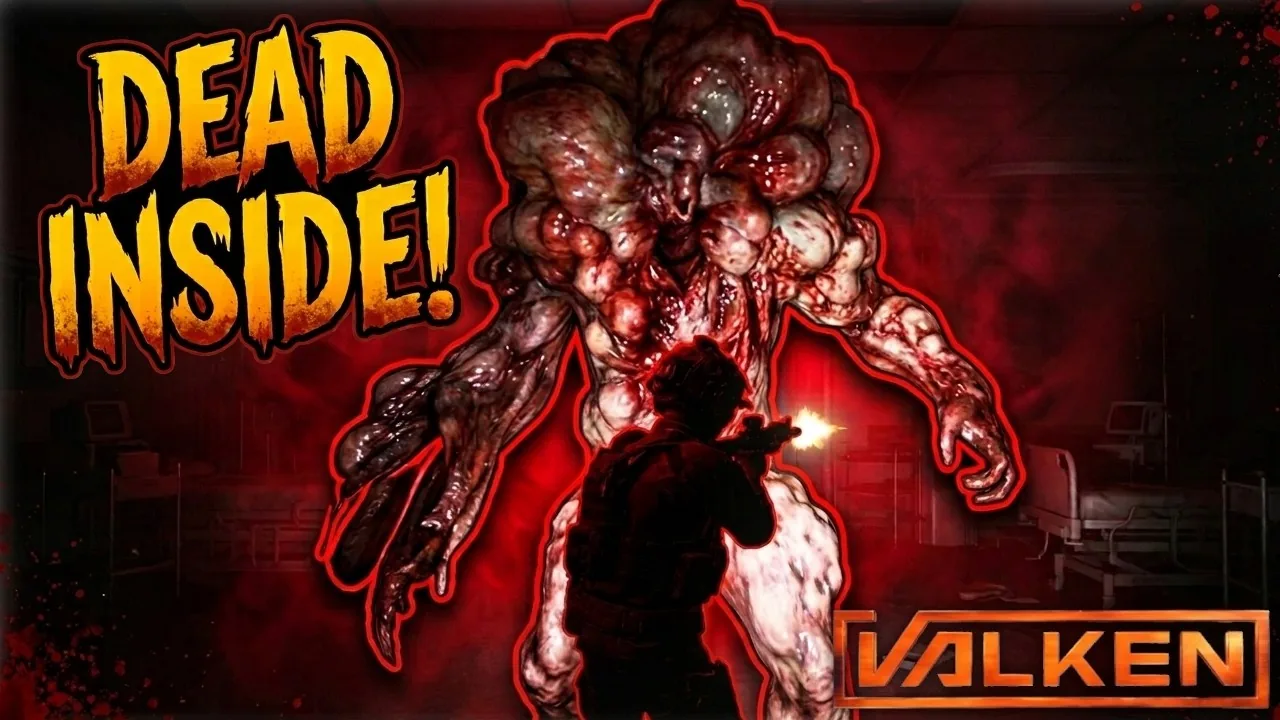
Valken difficulty emphasizes lethal combat where operatives perish in one or two hits, requiring methodical movement and silent headshots to survive. Both armed soldiers and aggressive infected punish exposed positions with fast kill times and strict ammunition constraints.
Lethal Time-to-Kill and Operative Durability
Survival in Valken depends on strict damage management. The playable agent possesses no active regenerating shields or durable armor plating, meaning incoming gunfire from hostile guards drops the character within one or two rounds. Melee strikes from infected targets inflict severe trauma immediately, leaving almost zero room for direct physical trades in close quarters.
Engagements demand calculated spatial positioning rather than aggressive run-and-gun tactics. Players can press X to enter snap cover behind low obstacles, reducing their physical profile while scouting incoming threats. Because of the quick damage thresholds, utilizing the stealth guide approach keeps encounters manageable before hostile squads can coordinate an assault.
Enemy Threat Profiles and Damage Thresholds
Opponents in Valken split into aggressive infected mutations and armed human soldiers. Each enemy category imposes distinct tactical constraints on health conservation and bullet economy during an infiltration run.
| Threat Profile | Encounter Conditions | Required Tactical Cost |
|---|---|---|
| Standard Infected | Dark hospital hallways and tight interior rooms | One headshot or two torso shots; melee swings inflict rapid death |
| Heavy Infected | Blocked corridors and high-density interior chokepoints | Four direct firearm hits; demands sustained fire while backpedaling |
| Armed Human Patrols | Airport terminals and long-range departure lounges | Rapid assault rifle bursts; incoming fire eliminates the operative in one to two hits |
Standard infected charge directly toward the sound of movement or gunfire. A single cranial shot with a suppressed sidearm eliminates them instantly, whereas body shots demand two impacts. Larger infected variants feature thicker health pools that absorb four direct impacts, forcing players to expend significant magazine reserves if caught in dead-end rooms.
Armed soldiers represent the highest lethality hazard in open facilities. Opponents carrying rifles such as the AK or 74U fire in controlled bursts across wide departure lounges. Because their weapons kill unarmored agents almost instantly, understanding AI behavior allows operatives to break sightlines, peek corners carefully, and return fire from controlled cover.
Scarcity and Death Penalties
Ammunition supplies remain restricted throughout every mission deployment. Operatives begin infiltration scenarios with a suppressed handgun carrying seventeen rounds loaded and two spare magazines. Environmental supply crates containing loose rounds or medical items do not populate the operational zones, preventing players from stockpiling surplus resources during active runs.
Eliminated human hostiles drop their deployed firearms, permitting players to scavenge weapons like the 74U with three reserve magazines. However, dying strips all collected weapons from inventory. Respawning returns the operative to the last checkpoint equipped only with the baseline starting sidearm, forcing players to clear difficult encounter zones without high-capacity automatic firepower. Applying fundamental techniques from the combat guide preserves munitions by prioritizing single-shot headshots over automatic spray.
Mission Demands Across Extraction and Infiltration
The operational structure splits between standard infiltration scenarios and high-pressure zombie extraction objectives. In extraction missions, players must locate stranded personnel across sprawling layouts like St. Helena Hospital or Edenbrook Airport while navigating heavy fog, structural blockades, and pitch-black interiors.
Operatives receive reconnaissance support such as remote-controlled scout vehicles before entering facilities on foot. Driving the reconnaissance drone allows players to mark hostile density and map clear passage routes prior to entering combat. Because Revane Studio designed the experience as a pure single player tactical shooter, no squad members exist to revive downed agents, making every tactical route decision permanent.
Next step
Camera Perspectives
Compare first-person and third-person camera modes in Valken to choose the right perspective for tight hallways and combat encounters.
Related Guides
Camera Perspectives
Compare first-person and third-person camera modes in Valken to choose the right perspective for tight hallways and combat encounters.
Choices and Consequences
Examine how tactical routing, gear management, and combat decisions trigger unforgiving mission outcomes across the solo operations in Valken.